The 2026 Mentoring Scheme is now closed. Find out more about the scheme here.
As an evolution of the original Writing East Midlands Mentoring Scheme, which connected three writers with mentors and additional opportunities, the scheme now matches even more writers with industry professionals and offers additional career and craft development experiences. You can find out about the full offer here.
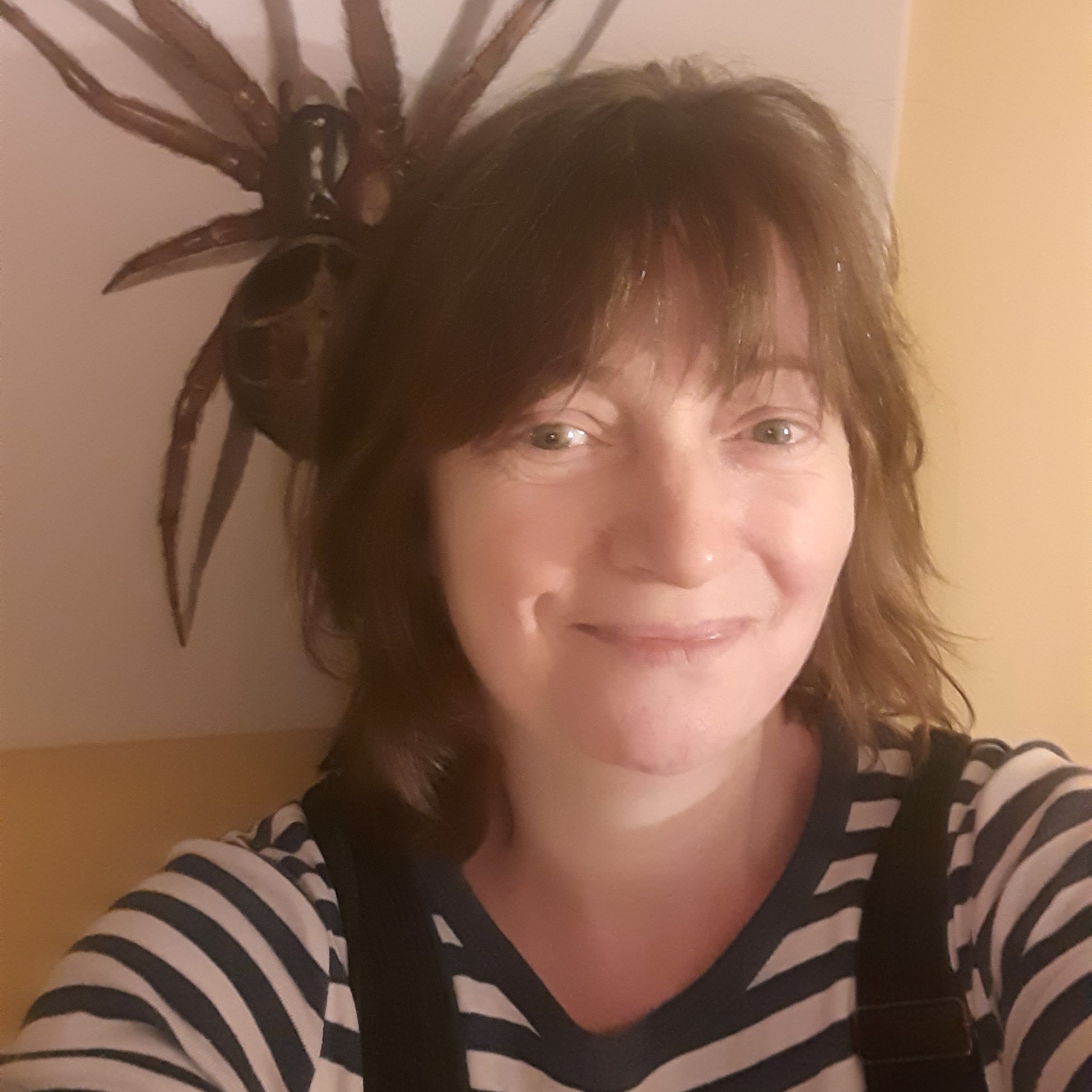
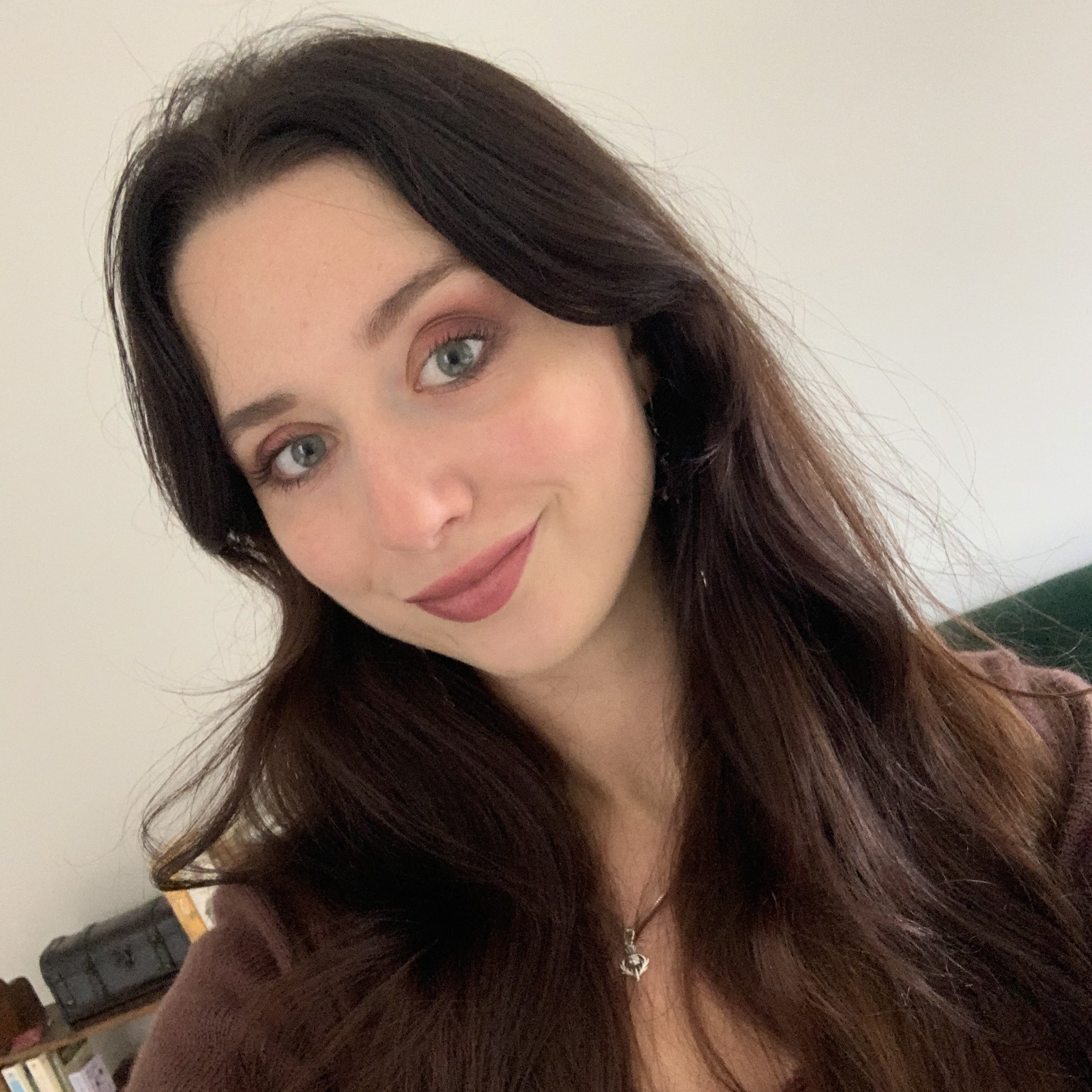
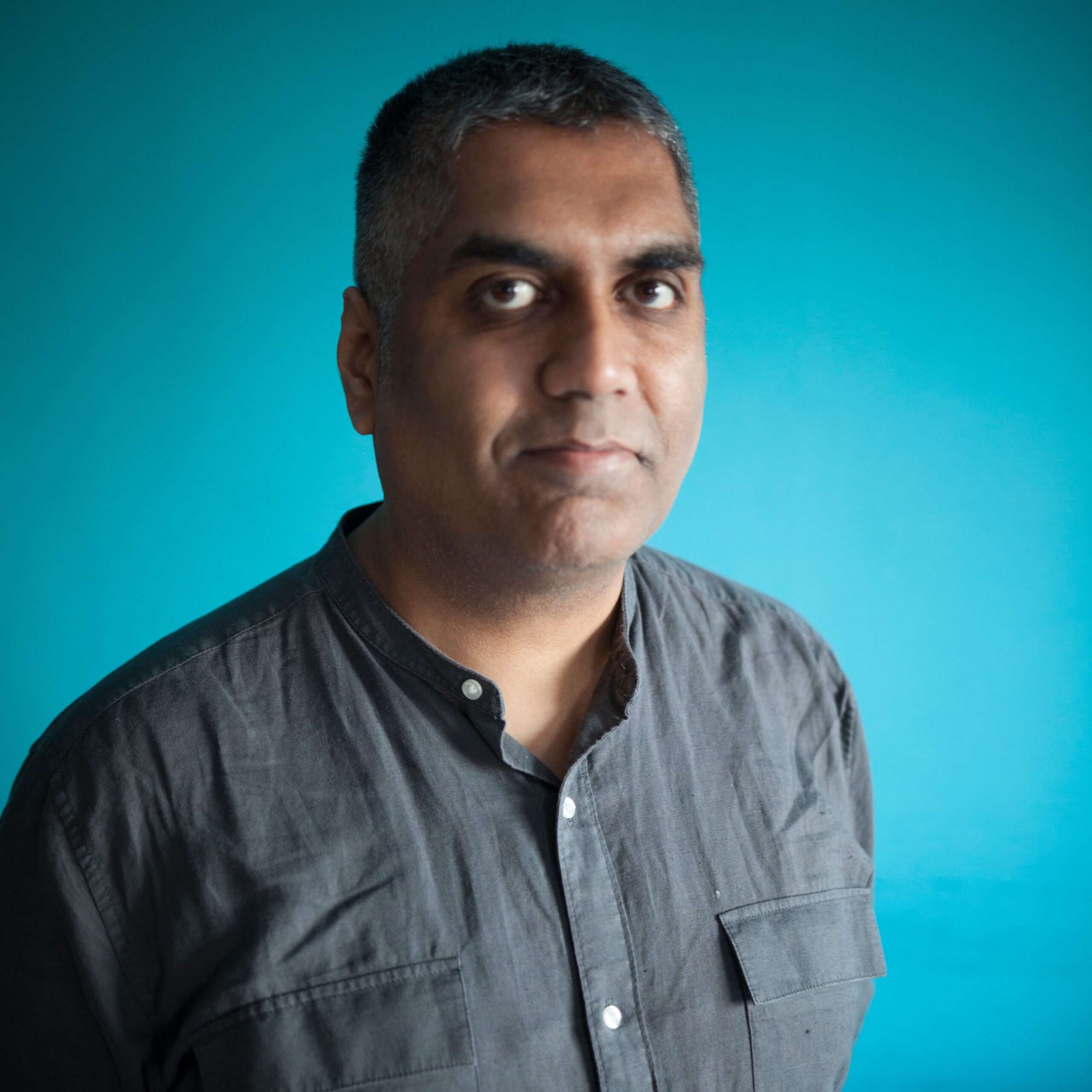
This year, we promised that at least three of our mentees would come from underrepresented backgrounds. We are pleased to say that, organically, five of our mentees are from such groups. We are delighted to help amplify their voices, and their talent, through our Mentoring Scheme.
Aoife O’Connor is a poet and producer; they founded She Speaks, are a co-director of the Derby Poetry Festival, and are a vice-chair of Forward Arts Foundation board of trustees. They were a member of the inaugural Southbank New Poets Collective in 2021/22. They won the 2023 Aurora Prize for Poetry and were shortlisted for the 2025 Bridport Prize. They’re a multi-slam champion and have been recognised in several prizes and competitions.
Rose Shenton is a 29-year-old transwoman, currently working as an English teacher at Nottingham College. She started out writing poetry, and was chosen as Staffordshire’s Young Poet Laureate at 18. Later, she attended King’s College of London to gain her Bachelor’s degree in English Literature, where she began writing long form novels. Her first book, a spy thriller called The Performance, was shortlisted for the best unpublished thriller at the 2024 Nashville Claymore Awards. Her latest work, a short story titled The Witch Tree, can be found in the latest volume of the Sapphic Eclectic short story collection.
Sabrina Mei-Li Smith is a writer from Leicester. She holds a PhD from DeMontfort University and writes about teaching Creative Writing for Bloomsbury. By day she teaches Creative Writing to a variety of people, ranging from university students to dementia patients. By night she should be writing about dance music cults, fanzine makers, the 1990s and the emerging Britpop scene but she’s probably feeding two black cats. She has been published by WithIntentions, Writers in Education, TigerShark, Ink Pantry Press and Feminist Trash.
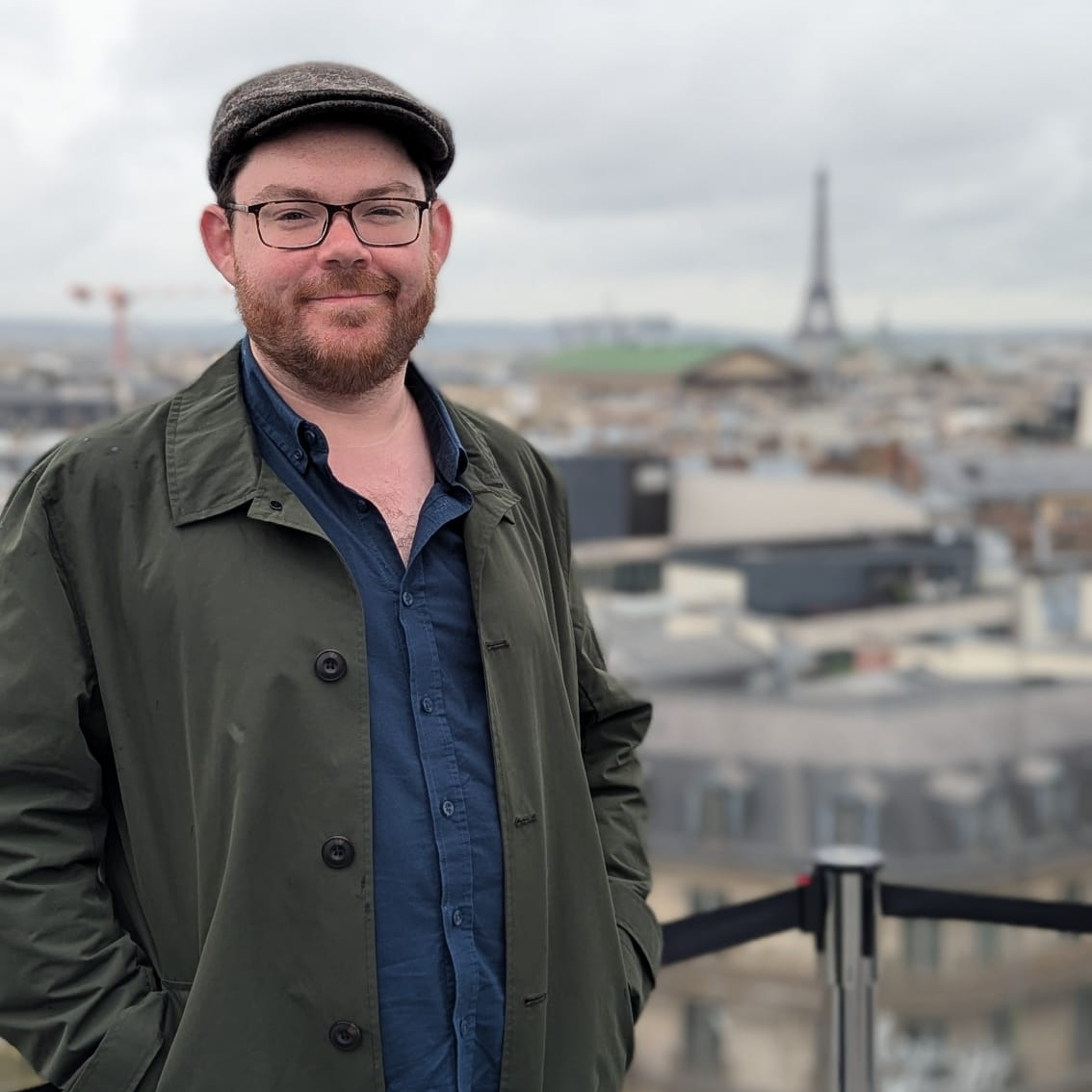
Phil W. Bayles has lived in Paris and London, where he’s written everything from movie reviews to mattress adverts. These days he lives in Derbyshire with his wife, his daughter and his cat. He writes very silly stories about very serious ideas, with the occasional poem to mix things up. His short fiction has been published by Twisted Ink, 50-Word Stories and Silly Goose Press, and he is currently working on his first novel.
Susie Halksworth is a writer based in Buxton. After a long career and extremely diverse experiences in the voluntary sector, she decided it was now time to start work on articulating the stories that unite us. Her play, about a Faun who appreciates mid-century ceramics more than he appreciates Wild Nature, is currently being produced by Buxton Opera House; she has published two kindle books about her cats’ sparkling political careers; and she writes a substack, (susiehalksworth.substack.com) with a podcast in which she is attempting to fight end-stage capitalism (albeit in quite a gentle way). Her work is an often humorous look at relationships, and how they affect/ are affected by the politics and society around them: but also at the darker things which underlie it all.
Ellen Taylor teaches Psychology at the University of Nottingham. She has been published in anthologies and literary magazines, and her short story Stella Polaris was awarded runner-up for the Oxford-BNU Creative Writing Award 2021. She is currently writing a fantasy novel.
Ashokkumar Mistry is a writer and multidisciplinary artist whose work explores neurodivergence, disability, and cultural alterity. Drawing on both personal experience and research, he create spaces for connection and transformation, emphasising trust and consent. As co-founder of the Disability in British research group for British Art Network, Mistry investigates neurodivergent approaches to creativity embodiment. His writing, which reflects on the intersection of race, class and disability, examines explicit and implicit natures of rejection and belonging. This is often explored from the perspective of an outsider, unable to read normative language.